Methodology

We don't teach kids to memorize code.We teach them to design with it.

In 2026, syntax is no longer the bottleneck. AI handles it. What remains is the part that's actually hard: what should this thing do, and why?

The old way

Memorize syntax. Then maybe build something.

Most kids-coding programs still spend the first three weeks teaching loops, variables, and brackets. By the time a kid gets to build anything real, half the class has lost interest. The ones who push through learn syntax they can already get from an AI in two seconds. They didn't learn the part that's actually hard.
What changes with AI

Design first. Syntax becomes assistance.

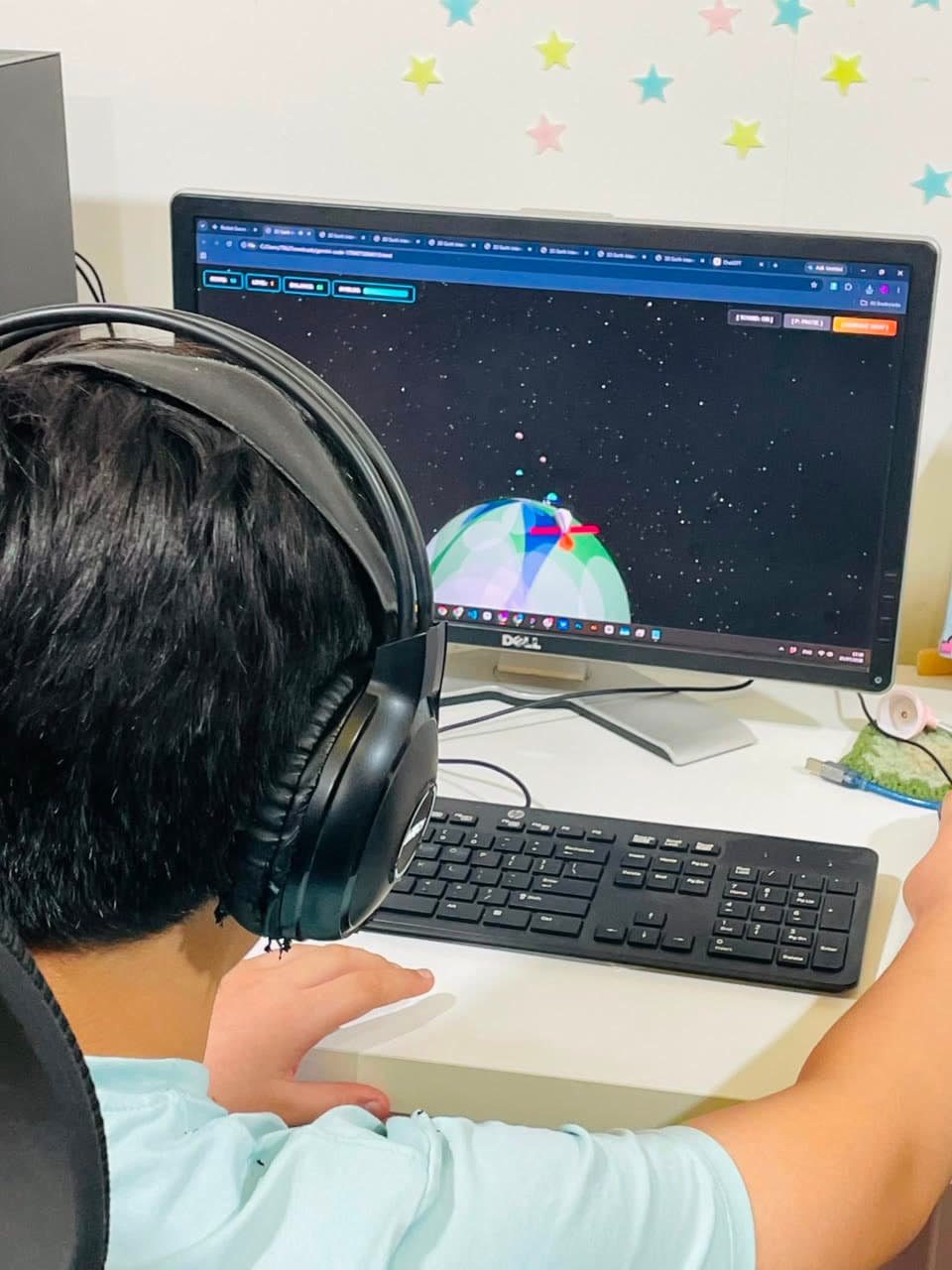
When the AI writes the code, the kid spends their cognitive budget on what they actually want their robot to do. Should it be shy or curious? React fast or slow? Make sound or just light up? Now they're not learning C++. They're learning systems thinking, on something they care about.

Where the real learning happens

Debugging is the new skill.

When the AI-written code doesn't work, and it won't, the first time, the kid has to figure out why. Is the wiring wrong? Is the sensor reading what they thought? Is the prompt unclear? This is real engineering. We teach it to 9-year-olds. The AI doesn't replace the learning. It moves the learning to where the value actually is.

In the room

What the methodology actually looks like.

In practice

What a Robonamix session actually looks like.

Five movements. Repeated every session. Every kid.

  1. The pitch

    Every project starts with a kid describing what they want to build. Not in code, in words. "I want a robot that gets shy when you walk up to it."

  2. AI as pair-programmer

    Kids open Robonamix's safe, curriculum-tuned AI chat. Built for ages 8–17, no signup, instructor-monitored. They prompt it through writing Arduino code together.

  3. Wire it up

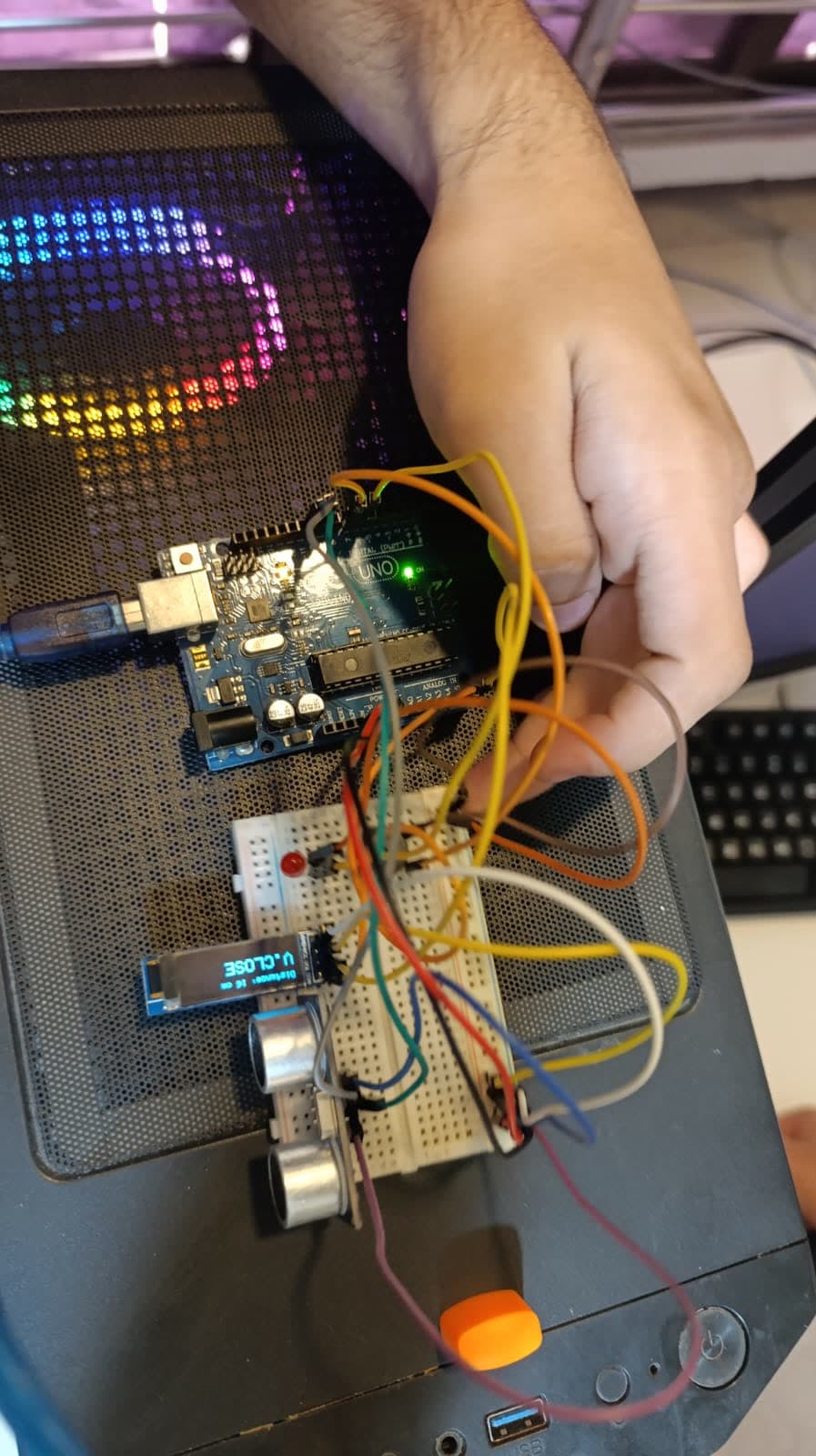
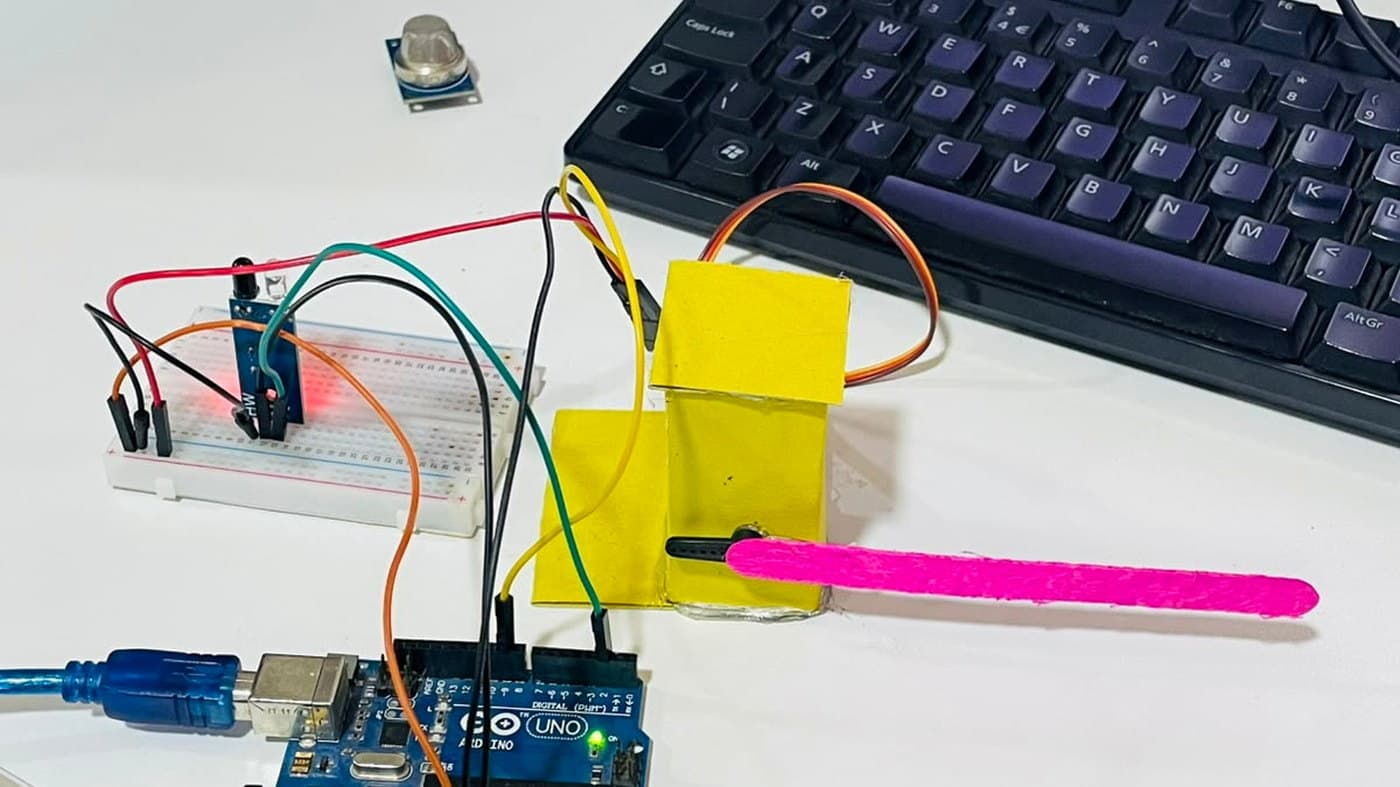
    Hands on real hardware. Arduino, sensors, servos, LEDs. Kids do the wiring themselves. This is where physical-world intuition is built.

  4. It doesn't work

    Of course it doesn't, the first time. This is the moment most programs avoid. We lean into it. The instructor and the AI help the kid diagnose: is it the code, the wiring, or the prompt?

  5. It works

    The robot does the thing. The kid posts a video to their portfolio. They name it. Next session, they want it to do more.

Outcomes

What every kid walks away with.

A real thing they built.

Not a worksheet. A robot. A sensor project. A working circuit they take home and show their family.

Systems thinking.

How to break a goal into parts. How to test. How to debug. The same mental model adult engineers use.

AI literacy that ages well.

How to prompt. How to verify. How to spot when the AI is wrong. The skill nobody is teaching their kids yet.

A public portfolio.

Photos, demo videos, project descriptions. Something to show schools, parents, and future-them.

Want to see this in action?

Book a 20-minute call. We'll walk you through a real session. The AI prompts the kids use. The projects they build. What their portfolios look like.